|
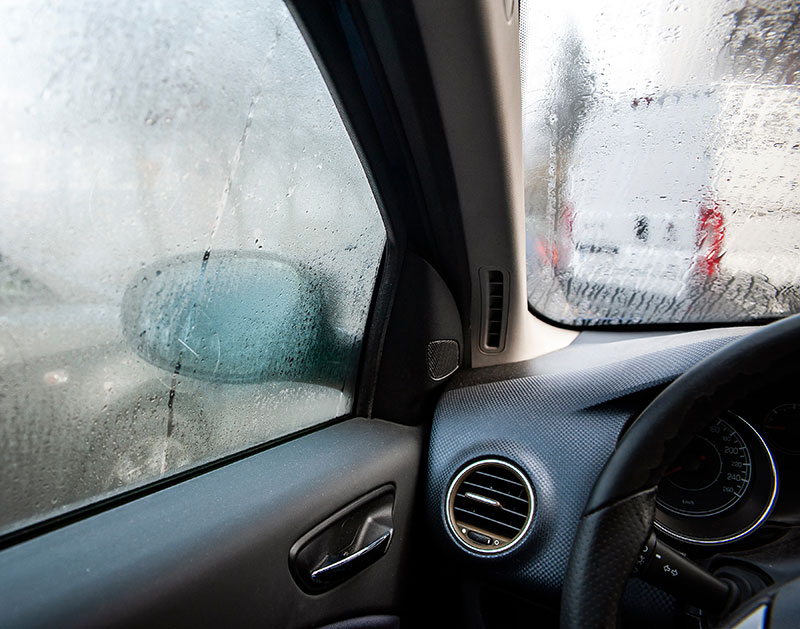
Car windows fogging up can turn an ordinary drive into a frustrating and potentially dangerous one. Learn how a few simple adjustments can help keep your view unobstructed.
Get into your car on a chilly day and within moments the windows might disappear behind a layer of fog. It is a common problem in the fall and winter and a serious visibility issue as well. Fortunately, clearing up and preventing the problem is also quite straightforward.
But why do car windows fog up in the first place? Well, it occurs when warm and moist air meets glass that is cold enough to cause it to condense. During colder weather, the air inside your vehicle is usually warmer and more humid than the air outside. This means that moisture from your breath, wet shoes, damp clothing, and melting snow can all increase humidity inside the cabin and form tiny droplets on the inside of the glass.
Here are three steps to clearing things up:
1. Turn On the Defroster
Your car’s defroster is the first line of defense against foggy windows. By warming up the glass, it will clear away the condensation. Set the fan relatively high and direct the airflow toward the windshield. You can also turn on the rear defroster when the back window is fogged. Many cars have vents to direct some airflow to the side windows as well.
2. Use the Air Conditioning
Turning on the air conditioner might seem strange in the winter, but it is a key component of fixing foggy car windows. The air conditioner and heater work together to solve the problem: First, the air conditioning system helps remove moisture from the air, and then the heater warms that drier air before it reaches the windshield. In many newer vehicles, the air conditioning comes on automatically when you select the front defrost setting. If yours does not, just switch it on manually.
3. Turn Off Recirculation
If the recirculation setting is on in your car, then it will keep cycling the same humid air through the cabin. This makes it harder to get rid of the moisture, causing your windows to fog up. Switching recirculation off will allow your ventilation system to pull fresh air in from outside instead. Colder outside air generally contains less moisture than the warm air inside the vehicle.
Tip: Crack a Window
Another way to help exchange some of the humid air inside your vehicle with drier air outside is to simply crack one or two windows for a short amount of time. Even a brief exchange of air can help reduce condensation and may be particularly useful for quickly clearing fog from the side windows.
Anti-Fog Treatments
If foggy windows remain a stubborn and regular problem, then you can also try an automotive anti-fog treatment. These products, applied to the inside of the glass, are designed to make it harder for moisture to form the tiny droplets that create a foggy appearance. Just be sure to follow all the product instructions when applying it.
Whatever combination of strategies you choose to help defog your windows, the most important thing is not to start driving until you can see through them safely. Taking a minute to clear the glass before setting off is always worth it.
|


