|
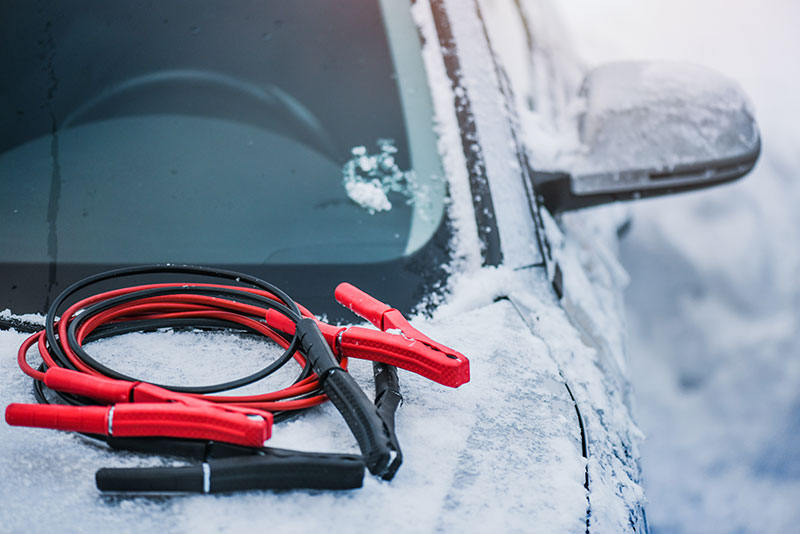
The first snowfall has a way of reminding everyone about winter maintenance at exactly the same time. Suddenly, tire shops are booked, weak batteries are refusing to start vehicles, worn wiper blades are struggling with sleet, and small cooling-system problems are becoming much bigger inconveniences.
October is a much better time to find those problems.
Cold weather places additional demands on nearly every major system in your vehicle, from the battery and tires to the cooling system, brakes, and windshield washer system. Taking care of a few key maintenance items now can help your vehicle handle the months ahead with fewer surprises.
Start With the Battery and Charging System
A battery that started the engine without difficulty throughout summer may struggle once temperatures fall. Cold temperatures reduce a battery’s available output at the same time that the engine requires more energy to crank.
That makes fall an ideal time for a proper battery test rather than simply waiting to see whether the vehicle starts.
A technician can measure battery condition and available cranking capacity while also inspecting the terminals and cables for corrosion, looseness, or damage. The alternator and charging system can also be tested to confirm that the battery is being properly replenished while the engine runs.
Battery age matters as well. CAA notes that batteries in the three-to-five-year range may become increasingly susceptible to failure, making testing particularly worthwhile before winter.
Check Your Coolant Before the Deep Freeze
Engine coolant does much more than prevent overheating during summer. It also needs to protect the cooling system against freezing when temperatures drop.
Coolant gradually deteriorates and can become contaminated over time. The system should be checked for the correct level, condition, pH and freeze protection, while hoses, clamps, the radiator, water pump and thermostat should also be inspected for leaks or deterioration.
A cooling-system pressure test can help uncover small leaks that may not yet leave an obvious puddle beneath the vehicle. These minor leaks are worth finding before winter, when a low coolant level can affect both engine temperature control and heater performance.
Transport Canada specifically recommends checking coolant strength and level as part of winter preparation, along with inspecting radiator hoses, drive belts, the radiator cap, water pump and thermostat.
Put Winter Tires on Before You Need Them
Winter tires are not just snow tires. Their real advantage begins when temperatures become consistently cold.
Below approximately 7°C, the compounds used in typical all-season and summer tires begin losing flexibility. Dedicated winter tires are designed to remain more pliable in colder conditions, improving traction on cold pavement as well as snow and ice.
Look for the three-peak mountain snowflake symbol when identifying tires designed for severe snow conditions.
Tread depth deserves attention as well. Transport Canada advises against using winter tires with less than approximately 4 mm of tread for snow-covered roads, while the Automobile Protection Association recommends beginning the season with approximately 4.8 mm or more to provide sufficient useful tread throughout winter.
All four winter tires should also be matched in size, construction and general tread characteristics whenever possible. Installing winter tires on only one axle can create significant differences in available traction between the front and rear of the vehicle.
Don’t Forget Tire Pressure
Even perfectly good tires cannot perform properly when they are underinflated.
As temperatures fall, tire pressure falls with them. The Automobile Protection Association notes that pressure can decrease by roughly 1.7 PSI for every 10°C decrease in temperature.
That means tires adjusted during a warm September afternoon may be noticeably underinflated when temperatures fall below freezing.
Check pressures when the tires are cold and use the vehicle manufacturer’s recommended pressure, normally found on the placard inside the driver’s door opening. While you are there, inspect the spare tire as well.
Make Sure You Can See
Winter driving places enormous demands on windshield wipers and washer systems.
Wiper blades should move smoothly across the glass without streaking, skipping or leaving large areas uncleared. Cracked, hardened or damaged blades should be replaced before freezing rain and road spray arrive.
The washer reservoir should also contain winter-rated windshield washer fluid rather than a summer formulation that could freeze in low temperatures. Transport Canada recommends fluid rated around -40°C for winter conditions.
Your heater and front and rear defrost systems should also be tested now. If airflow is unusually weak, a plugged cabin air filter may be contributing to the problem.
Inspect the Brakes and Suspension
Snow and ice reduce available traction, making predictable braking and vehicle control particularly important.
A winter inspection should include the brake pads or shoes, rotors or drums, brake lines and hoses, and parking brake system where applicable.
Any pulling, grinding, squealing, vibration or noticeable change in pedal feel deserves investigation. Transport Canada specifically recommends a thorough brake inspection as part of preparing a vehicle for winter.
Suspension and steering components are important too. Worn ball joints, tie rods, bushings or shocks can affect handling and tire wear, while winter potholes certainly won’t make existing problems any better.
Check the Lights
Shorter days mean more time driving in darkness, snow and poor visibility.
Walk around the vehicle and check the headlights, high beams, brake lights, tail lights, turn signals, licence-plate lights and four-way flashers.
Headlight aim is also worth checking. Being able to produce plenty of light doesn’t help much if that light isn’t directed toward the road where it belongs.
Prepare Now Instead of Reacting Later
A fall inspection isn’t about replacing everything on your vehicle. It is about identifying the maintenance that actually needs attention while there is still time to deal with it conveniently.
A healthy battery, properly protected cooling system, good brakes, winter-ready tires, clear windshield and working lights can make a substantial difference once winter conditions arrive.
Most importantly, addressing these items in October gives you the opportunity to repair or replace worn components before the first major cold snap creates an emergency—or everyone else has the same idea.
Click the button below to book your service appointment and get your vehicle ready for winter before the first snow arrives.
|


