|
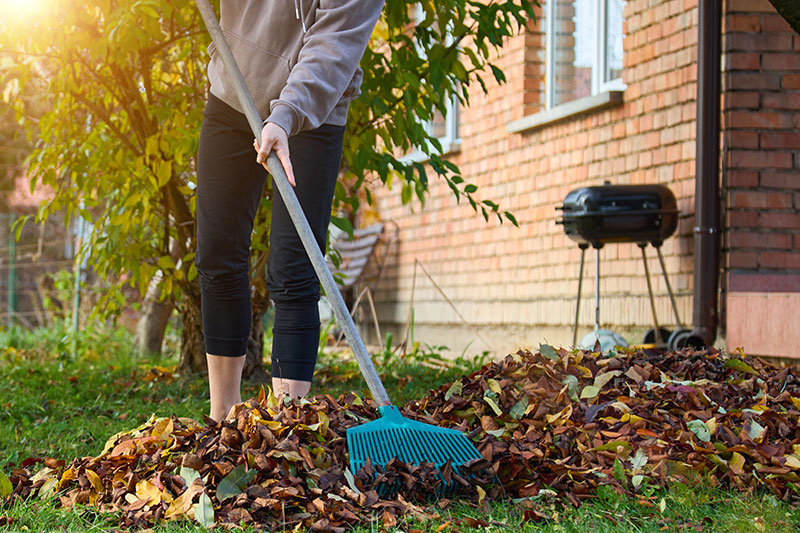
A little strategic fall cleanup can help local wildlife make it through the colder months without welcoming any unwanted visitors. Find out how to prepare your property for winter.
Going a little easy on fall cleanup and keeping things a little wilder is actually a great way to support some local insects, birds, and wildlife. At the same time, you don’t want to attract the wrong kind of visitors, like coyotes and skunks. The trick is knowing what to leave and what to tidy up before winter arrives.
Keep Some Leaves Around
When raking leaves, you don’t necessarily need to get every last one. Leaving some behind can provide an insulated winter refuge for insects and other small creatures. Of course, you want things to generally look neat and tidy, but consider moving some leaves into garden beds, around shrubs, or into a designated corner of the yard.
Keep Selected Plants Standing
Once flowers have faded for the season, it can be tempting to cut everything back. However, seed heads from plants such as coneflowers and black-eyed Susans can provide a natural food source for birds during the colder months. Hollow and dried plant stems can also give overwintering insects a place to shelter, so consider leaving some plants standing.
Pick Up Fallen Fruit
While leaves and some plants can be worth keeping, fallen fruit is another story. Apples, berries, and other fruit left on the ground can provide an easy meal for wildlife and may encourage animals to return once they discover the food source. Pick up fallen fruit regularly and remove anything left hanging on trees that you don’t intend to harvest.
Create Shelter in the Right Places
You can create winter shelters for birds, insects, and other small wildlife with fallen branches, logs, and other woody material. However, placement matters a lot. Keep intentional wildlife habitats at the far ends of your yard rather than right up against foundations, sheds, or decks to discourage unwanted residents.
Clean Up Around Bird Feeders
A bird feeder is a great way to bring plenty of bird activity to the yard, but the seed that inevitably becomes scattered around it may attract more than just birds. Regularly sweep up spilled seed, and be sure to keep bird food in secure containers. You can enjoy feeding the birds without inviting everyone else in the neighbourhood for a feast!
Secure Garbage and Compost
As natural food becomes harder to find, garbage and compost can become particularly tempting to all sorts of wildlife. Make sure outdoor bins have secure lids and avoid leaving garbage bags, pet food, or other edible items outside. If you have your own compost pile, make sure that food scraps are not exposed where animals can easily reach them.
Close Off Potential Dens
Finally, take a walk around your property and check for areas underneath decks, porches, sheds, and steps that could become attractive denning spots. Make sure that nothing is already living inside, then block off any openings before anyone does have a chance to make it a home.
While it’s great for your yard to support some critters, there are others you don’t want to hang around. Preparing your yard for winter wildlife is a balance that’s easy to achieve once you know what potential visitors are looking for.
|


